Berlin Fashion Week: Behind the Scenes of a 50K Campaign
Everyone sees the highlight reel. The polished Reels, the runway shots, the "50K followers" milestone post. What nobody sees is the chaos behind it — the 2 a.m. content reviews, the campaign that almost flopped on day two, and the unglamorous spreadsheet that actually made it work. This is the real behind-the-scenes of how I took a Berlin fashion client from roughly 5,000 to over 50,000 engaged followers around Berlin Fashion Week.
I'm sharing the messy details because most "case studies" are sanitized to the point of being useless. Here's what genuinely happened.
The Starting Point
When the client came to me, they had a beautiful product and a stagnant account. Around 5,000 followers, engagement in the low single digits, and a feed full of pretty-but-forgettable product shots. Fashion Week was twelve weeks away. The brief was simple and slightly terrifying: use the event to turn the account into a real growth engine.
I didn't promise 50K. I promised a system and relentless execution.
Phase 1: The Content Calendar Nobody Finds Sexy
Before filming a single frame, I built a content calendar mapped around three phases: the build-up (weeks before), the event itself, and the afterglow (the week after, which most brands waste).
Each slot had a purpose. Teasers and "getting ready" content in the build-up. Real-time energy during the shows. Recaps, lessons, and "what it took" content afterward. Planning this far ahead meant that during the actual event — when everything is on fire — we already knew exactly what to capture and publish.
That spreadsheet was the least glamorous and most important asset of the whole campaign.
Phase 2: Mixing Cinematic and Raw
Here's a mistake I see constantly at fashion events: brands make everything look like a luxury perfume ad. We did the opposite on purpose.
We paired a few high-production hero pieces with a flood of raw, phone-shot, behind-the-scenes moments — the nervous backstage energy, a model laughing between looks, the founder steaming a jacket five minutes before a show. The polished content set the tone; the raw content built connection. The raw stuff consistently outperformed the cinematic stuff by a wide margin, because it made followers feel like insiders rather than spectators.
One unscripted 18-second clip of the team scrambling backstage became our single best-performing post of the entire campaign.
Phase 3: Real-Time Engagement
During the event, I treated the account like a live broadcast, not a billboard. We replied to comments within minutes, reshared audience posts and stories, and jumped into DMs. That responsiveness did two things: it signaled to the algorithm that the content mattered (pushing reach further), and it made new followers feel seen, which turned casual viewers into a community.
I had a simple rule for the team: no post goes up unless someone is free to engage with it for the next 60 minutes.
The Moment It Almost Went Wrong
On day two, our best-planned content underperformed badly. Panic. The instinct was to push harder on the polished campaign material. Instead, we looked at the data: the raw, candid clips were carrying everything. So we tore up part of the calendar overnight and leaned hard into behind-the-scenes content. Reach recovered within 24 hours.
The lesson I carry from that: a plan is a starting point, not a prison. The data gets a vote.
The Numbers
By the end of the campaign window, the account had crossed 50,000 engaged followers — not bought, not bot-inflated, but real people who commented, saved, and shared. More importantly for the client, it translated into press interest, wholesale enquiries, and a clear, repeatable content playbook they still use.
What Actually Drove the Growth
If I distill it, four things did the heavy lifting:
- Preparation: the calendar meant we never scrambled for ideas.
- Authenticity: raw beat polished, every time.
- Real-time engagement: treating each post as a conversation.
- Adaptability: killing what wasn't working fast and doubling down on what was.
Turning a Spike Into Lasting Growth
The hardest part of any viral moment is keeping people afterward. We planned the afterglow phase specifically for this: recap content, a clear sense of what the brand stood for, and a reason to stick around. A spike that ends when the event ends is a missed opportunity. The real win was that the account kept growing after Fashion Week because we'd given new followers a reason to stay.
The Takeaway for Your Brand
You don't need a fashion show to apply this. Any moment — a launch, a milestone, a seasonal push — can be a growth engine if you plan the arc, blend polished with real, engage like it's live, and adapt to the data.
The Tools and Workflow Behind the Scenes
People assume a campaign like this needs a huge production budget. It didn't. Most of the winning content was shot on a phone. What made it work was workflow, not gear: a shared content calendar, a shot list for each day, and a fast edit-and-publish loop so moments went live while they were still relevant. We batched filming whenever possible and kept a backlog of "evergreen" clips for days when reach dipped.
The single most valuable habit was reviewing performance every evening during the event. Fifteen minutes looking at which posts earned saves and shares told us exactly what to make more of the next day.
What I'd Do Differently Next Time
No campaign is perfect, and I believe in being honest about that. If I ran it again, I'd start the build-up phase two weeks earlier to warm the audience before the spike. I'd also prepare more "afterglow" content in advance, because that post-event week is where most brands lose the followers they just gained. And I'd set up a simple lead-capture offer from day one, so the surge of new attention converted into emails we owned rather than followers we merely rented.
These aren't failures — they're the refinements that come from doing the work and studying the results. That mindset, more than any single tactic, is what separates campaigns that spike from campaigns that build something lasting.
If you've got a moment coming up and want a campaign built around it, let's talk. I'll help you turn attention into lasting growth.
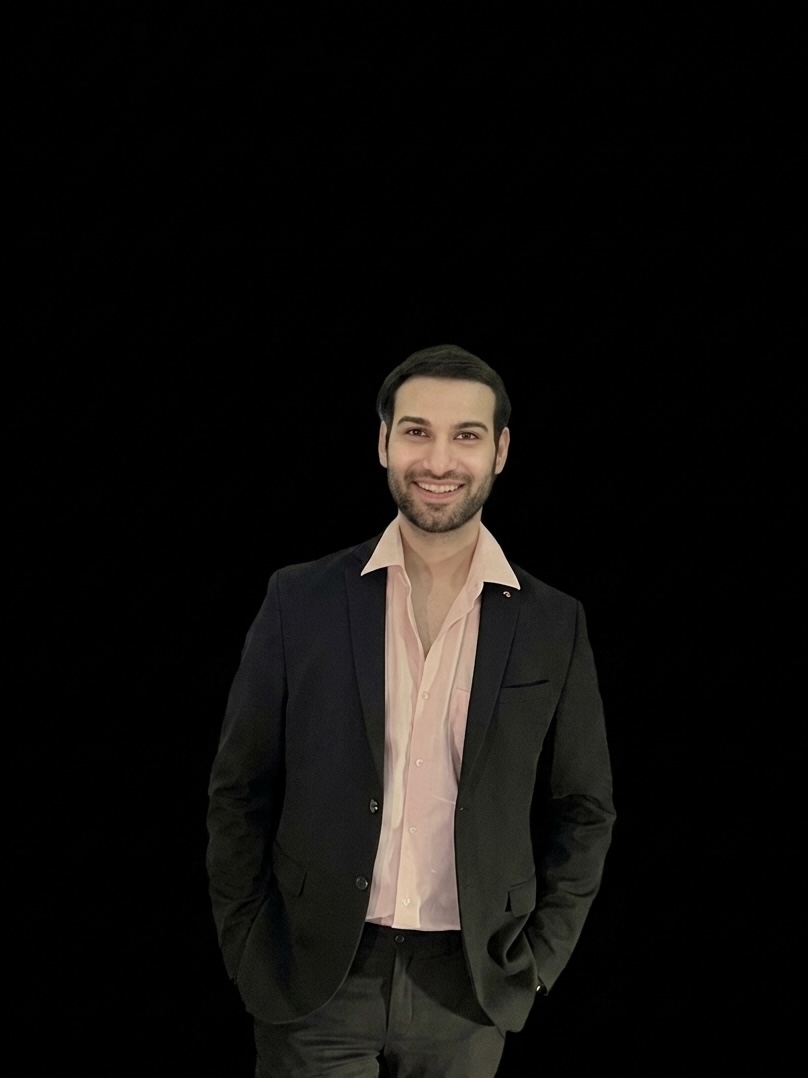
Aryan Shivhare
Aryan is a Berlin-based, AI-driven digital marketer and content creator. He has managed €200K+ in paid social budgets across Meta and TikTok, grew Berlin Fashion Week's Instagram to 50K+ engaged followers, and delivered 150+ campaigns for European brands with an average 300% client ROI. He writes about performance marketing, SEO, and using AI to grow brands faster.
Ready to Grow Your Brand?
Let's discuss how these strategies can work for your business.